

How to survive on Twitter?
Published on 8 November 2020
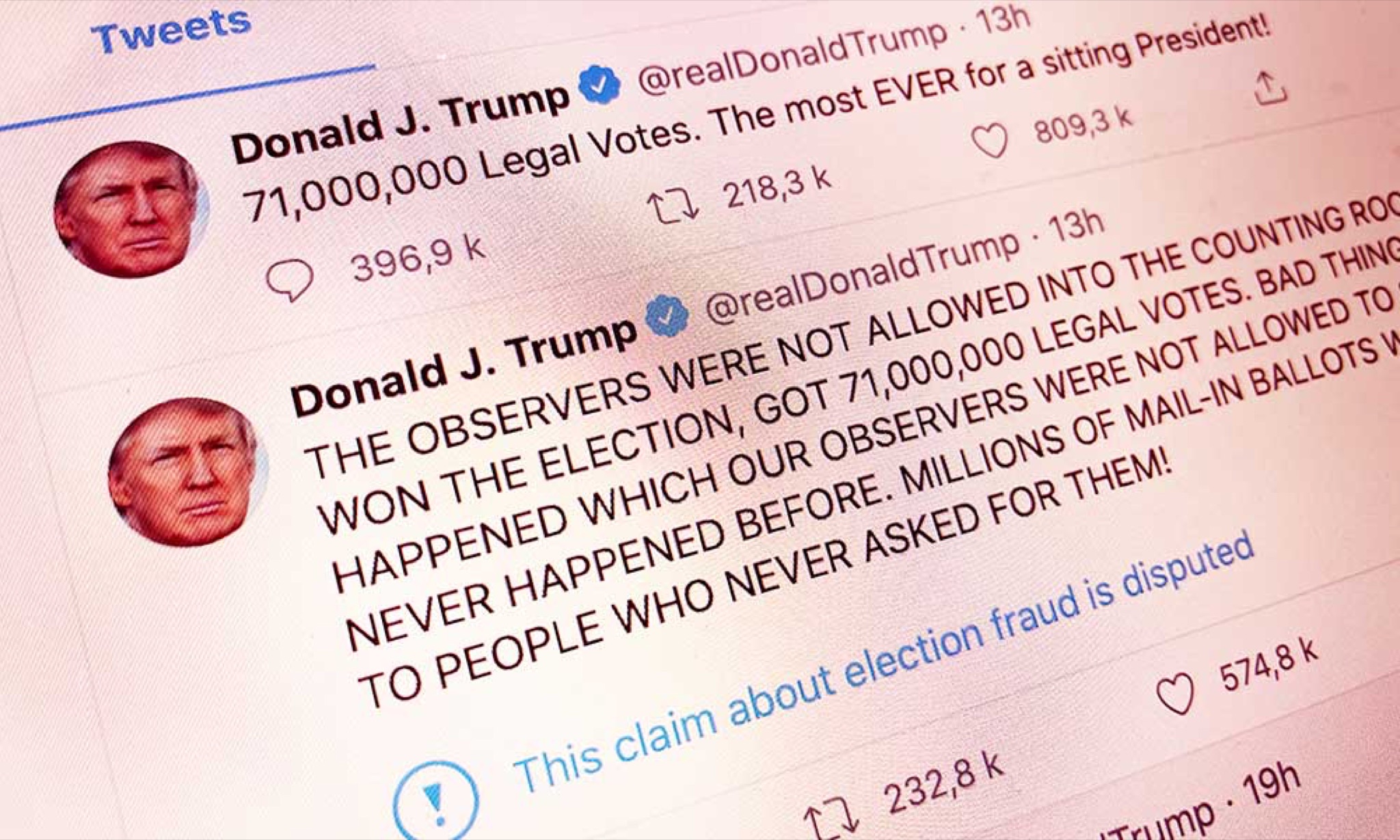
There are three possible stances when it comes to Twitter:
- The first possible stance is to be scared of it and not set foot there, which honestly, is right off the bat the best thing to do.
- The second is to be curious, to have already tried, and to have given up quickly in the face of the flood of negativity, digital brawls, racism and sexism that invade this network daily.
- Finally the third possibility is that you're a Warrior, always connected, surviving amid the fake news and insults, like an FFP2 mask facing a raging covid patient.
The fourth option doesn't really exist… You know, those people who are on a "calm and relaxed" Twitter: it's a lie. There's no restful, benevolent Twitter bubble! Even if you only follow accounts of plant and kitten lovers, you'll end up catching a beef in the face, believe me.
But so what do you do if you still want to spend a bit of time there?
Well, you apply a few rules to yourself, which I'm going to list below. Believe me, it can help!
- Try to follow few accounts.
This is probably the most important piece of advice. Try to follow fewer than 50 people, 100 max; above that it's really ridiculous and it quickly becomes an indigestible mishmash. Just because you see a good tweet or a good joke go by from an unknown account doesn't mean you have to follow it right away. Or follow it for a few days, and remember to unfollow if it turns out to be of little interest.
In any case, fewer follows = fewer potential rubbish.
- Don't hesitate to unfollow.
As soon as an account becomes less interesting, or goes inactive, you stop following it, full stop. Twitter users aren't pokemon you collect!
- Rather follow people you've already met.
Like on Facebook, it keeps you from getting into beefs with total strangers. All the more so since when one of your close contacts says something stupid, you have a bit more context, their background, their ideas, and so it'll keep you from flying off the handle for nothing.
- Don't follow anxiety-inducing accounts.
Typically avoid news accounts that go for sensationalism, or anxiety-inducing political figures. Favor accounts of reliable and apolitical media and exclude accounts that are too partisan or have a bad reputation.
- Stay private if you're fragile.
If you post a lot, but you're a bit afraid of getting hassled, set your account to private, it'll keep your tweets from ending up in the wrong hands after an unfortunate RT.
- Favor anonymity.
Especially if you have a sensitive job. Posting under your own name isn't of much interest, except of course if it's useful for work, but in that case watch what you say!
- Think for 3 minutes before giving your opinion.
I know a thing or two about it; in hindsight I think 90% of my tweets are of NO interest. So why take risks tweeting useless stuff. Then honestly, no one really cares about your scientific opinion on the spread of Covid when you got a literature degree.
- Avoid interacting with accounts you don't follow.
Yes, because when you don't know at all the person replying to you, when you have zero context and no info about them, it's frankly very murky ground that can go very wrong. At the very least before replying, go check out the person's feed; if it's a hideous nazi, don't waste your time, and block them right away (we'll come back to that).
- Don't RT an article whose title is all you've read.
If you do that, you're a moron, sorry.
- Don't RT an unknown account.
Back to the example a bit above. If an account tweets "I love kittens", you RT it, and going back up its feed you realize it's a zoophile activist, you'll come across as a deviant yourself!
- Regularly delete your old tweets.
Because if one day someone comes looking for a beef with you, they won't hesitate to dig up what you might have said 8 years ago, and that you've completely forgotten. Personally I now only leave about thirty days of old tweets online.
- Don't quote-tweet people to humiliate them or clash with them.
It's my partner who imposed this on me, and she's right. You don't agree with someone? No point humiliating them. And if their tweet is filth, what's the point of showing it to everyone? On the contrary it gives them visibility. So if you really want to reply to them, well, reply to them, but don't mention them.
- Don't take part in shitstorms.
Because online harassment is a scourge. If among your follows you have people who take part in shitstorms, well, stop following them and block them, because it means they'll never hesitate to harass you too.
- Limit your connection time.
Yeah, because being addicted to Twitter probably takes away as much of your life expectancy as crack, believe me.
- Admit your mistakes.
Yes, I know it's hard, but if you said something really stupid, and you realize it, admit it! It won't kill you, believe me.
- Give your sources.
Feel like showing off your knowledge? Why not, but if you throw out some slightly obscure info or figures, also give your sources! It'll keep you from coming across as a fake-news generator.
- Chill out.
Don't insult people, don't defame them, avoid being vulgar, don't fly off the handle, breathe (the complete opposite of me then).
- Block on sight.
Honestly if an account annoys you, even if it hasn't spoken to you, block it RIGHT AWAY! A news site stresses you out? Block it! A politician? Same? A stranger replies with crap to you? BLOCK without even replying. You can also pre-emptively block people you don't like, even if you've had no interaction with them on Twitter.
THERE YOU GO. There are surely plenty of other things to do to clean up your Twitter; if you have ideas, the comments are open!
Photo credit: DR
By Paingout