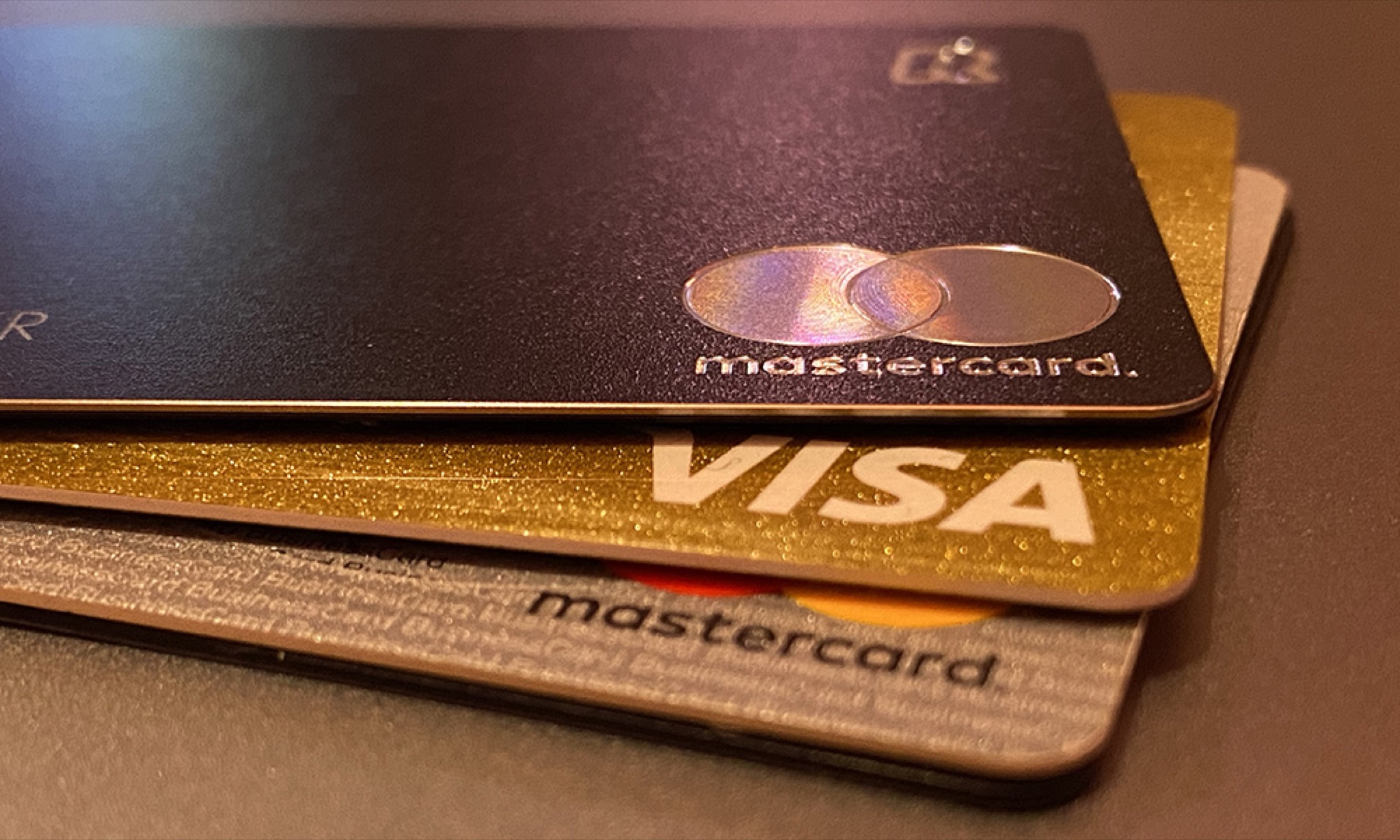




What's your bank?
Published on 17 October 2021 · updated on 13 August 2026

The first version of this article dates back to 2017, we're now in 2021, and I realize I've changed absolutely all of my habits and all of my accounts. So I'm going to update all of this for you. Small note: I'm neither a financial advisor nor a banking expert, so my choices are common-sense choices from a very "mainstream" point of view, and I won't get into the details of every service each bank offers.
- My main account: Boursorama
I spent many years being an ING customer, and I eventually closed my account and switched to Boursorama. Why? The main reason: ING waited far too long to offer Apple Pay.
So why is Boursorama good? First of all, it's a free online bank, so no fees, neither for having a payment card nor for payments abroad. They have a modern website and app, Apple Pay is of course available, and they offer all the usual services you're entitled to expect from a modern bank.
Another big plus is the ability to open an account with no income requirement, that's their "Ultim" plan, which comes with a modern payment card, also fee-free, even abroad. Very handy.
The downsides? Customer service is now less efficient, it's harder to reach them than it used to be.
If you'd like to switch to Boursorama, get in touch and I'll refer you. You earn at least €80 (sometimes €130), and so do I. Isn't that wonderful? Oh, and Boursorama also offers a service that moves all your transfers from your old account over to Boursorama. Really handy.
- And for bitcoins?
I own a few bitcoins, which I simply buy with Coinbase, and I invite you to do the same by following this magnificent referral link: Coinbase. It's simple, fast, reliable, accessible to everyone, and it lets you ease into cryptocurrencies without too much hassle.
- My secondary and holiday account: Revolut
Until last year I used N26 as my main account. Revolut offers more or less the same things: a free account and card, no fees abroad, instant transfers, a real-time balance, Apple Pay, etc. I decided to switch to Revolut for fairly minor reasons. The first is the app's interface, which I find more pleasant, more playful, more "fun", especially with the different spaces dedicated to each currency you convert as you travel. The second reason is the ability to play around with Bitcoins with disconcerting ease (even if they aren't "real Bitcoins", since Revolut acts as an intermediary). With a "premium" account you can also buy stocks, which is pretty fun.
The downsides of Revolut? Here again I don't really see any. Maybe the fact that the account number provided is Lithuanian (after being British for years), which sometimes causes problems with certain organizations for transfers. That's why I use it as a "secondary" account.
Here too you can sign up easily with your smartphone, by clicking on the following link. I have no idea what this "referral" earns us, by the way.
- My professional account: Crédit Mutuel + Curve
Well, here I don't really recommend it. Not much choice really, because changing your business account when you own a company is a nightmare, so I'm staying, and there we are. Every time I pay for something in foreign currency it costs me a fortune, and it annoys me, but I try to limit the fees by using Curve, which lets you remove foreign transaction fees on your card.
Curve also lets you combine all your other cards onto a single one (removing their fees abroad), which is really great alongside an "expensive" bank, and they have a free plan. If you want a Curve card, use my referral code, here again no idea what it gets you but oh well: COKVC.
- What else?
Well, that's it really. I used to have a Sharepay account to split bills, but they shot themselves in the foot by doing anything and everything with their plans, so they shut down. And uh, well, I have a PayPal account, and I invite all of you to send me a euro or two (or more) into my account by following this link. Why? Just because, because I like euros.
Thanks, kisses 💰
By Paingout